
What a Bad Legal Hire Actually Costs Your Firm
A bad hire costs far more than a salary. Here's the real price of getting an associate hire wrong, and how to avoid making an expensive mistake.

This scene plays out too often. A firm rushes to fill an open associate seat, brings on someone who interviewed well, and six months later they're back where they started. The cost is always more than anyone expects.
It's not just the salary. It's everything around it.
The Direct Cost of a Bad Hire
Start with what you can count. Job posting fees, background and bar checks, onboarding. Then the salary and benefits you paid for however many months they lasted.
If it was an associate role with a ramp-up period, you were paying full salary for months before that person was billing at anything like a useful rate. Put the posting, the checks, the onboarding and every month of salary on one side, and what they actually billed on the other. The gap is usually wider than anyone wants to write down.
And that's only the part you can put on paper.
The hard costs of a bad hire pile up fast. The hidden ones are worse.
What You Can't Count
While your bad hire was in the seat, matters were slipping. Clients who deserved careful work got a rushed brief or a missed deadline, and some of them walked. Existing clients may have had a worse experience too. Your other associates were covering the gap, which pulled them off their own caseload.
Then there's your time. The coaching sessions that went nowhere. The hard conversations. The documentation. The decision to finally let them go. All of that time came from somewhere, and it usually comes from the part of your practice that needed your attention most.

The hard costs of a bad hire add up fast, and that is before you count the hidden ones.
A missed filing deadline doesn't just cost you a client relationship. It's the kind of mistake that turns into a call to your malpractice carrier, and that's a call nobody wants to make.
Starting Over
Now you're posting the role again, reviewing resumes again, doing interviews again. It's worse the second time. Your docket already took a hit, your associates are tired, and the seat has been empty or badly filled for months.
Most roles take 60 to 90 days to fill the second time around. That's another quarter of lost capacity stacked on top of what you already lost.
An empty seat costs more than most people think. The longer it stays open, the worse it gets.
Your Team Is Watching
Firms don't think about this part enough. Your associates watched the whole thing happen. They saw someone get hired, struggle, and either leave or get let go.
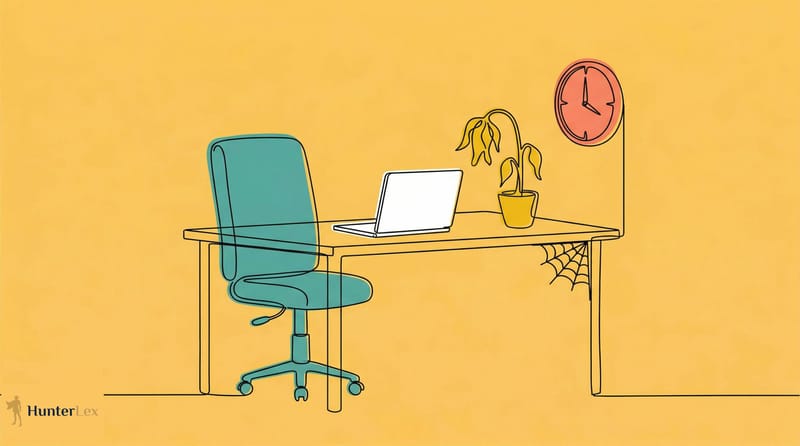
An empty seat costs more than most people think, and the longer it stays empty, the worse it gets
If it happens once, nobody thinks much of it. If it happens again, your strongest people start to notice. And once your best attorneys lose confidence in how the firm hires, they start taking recruiter calls they used to ignore.
Losing the people you want to keep is a bigger problem than losing the one who didn't work out.
How to Avoid It
The answer isn't complicated. Don't settle because the seat has been open too long and the pressure to fill it is getting to you.
If you don't have the bandwidth to run a thorough search on top of running your practice, that's what we do. We find attorneys who fit the role and the firm, and we take the time to get it right the first time.
Reach out to us before your next hire becomes your next mistake.